
Why Nostalgia Is Becoming a Major Trend in Modern Entertainment
Nostalgia has become increasingly visible in modern entertainment. Familiar characters are returning to screens, older films and television shows are being revisited, classic stories are being remade, and music from previous decades continues to find new audiences.
The popularity of nostalgic entertainment is not simply about bringing back old content. It reflects the way people connect entertainment with memories, emotions, cultural experiences, and periods of their lives.
What Is Nostalgia?
Nostalgia is an emotional connection to the past. People may feel nostalgic when they encounter a song, movie, television show, game, fashion style, or other cultural element associated with an earlier period of their lives.
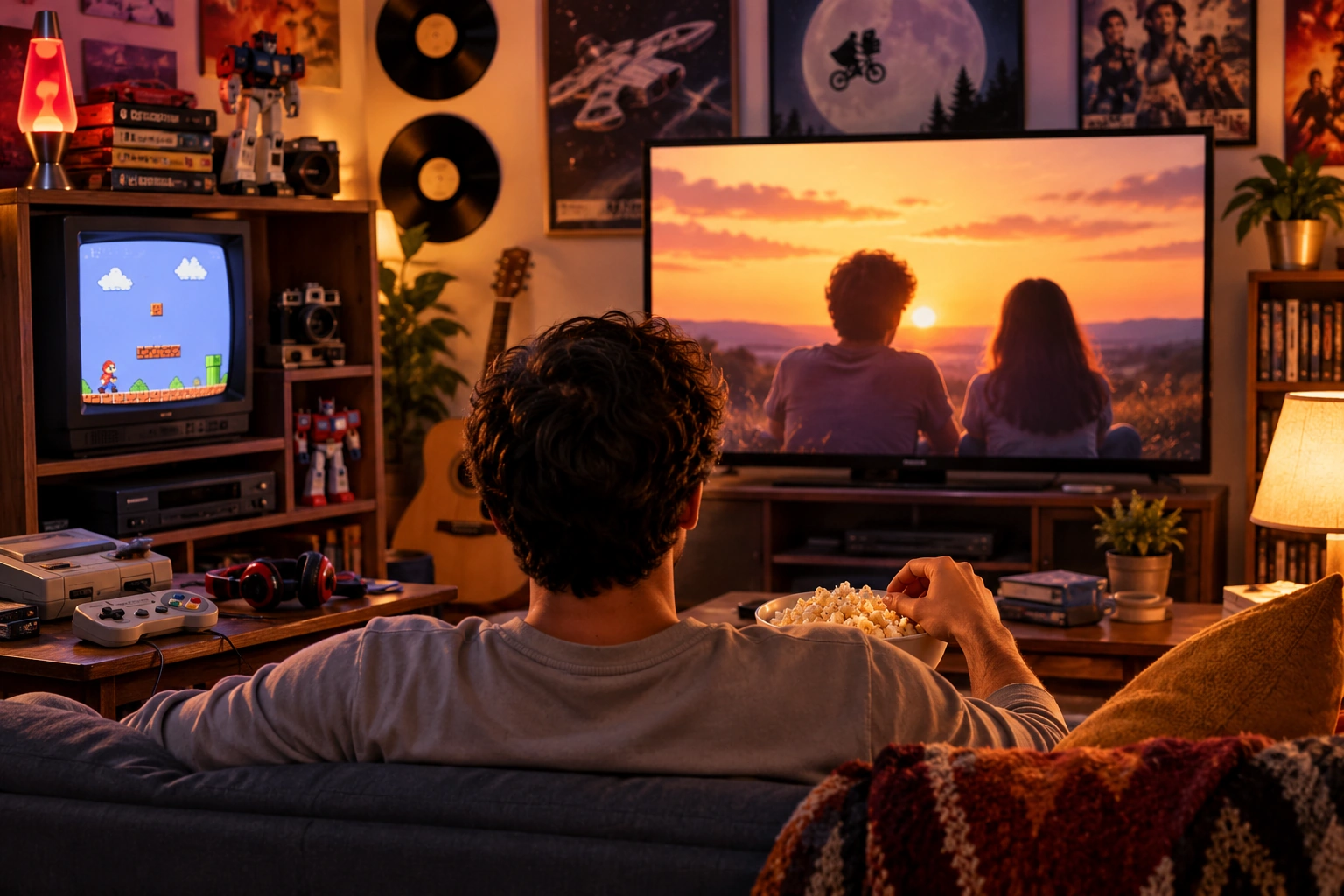
Entertainment is particularly effective at triggering nostalgia because media experiences are often connected with important memories. A particular movie may remind someone of childhood, while a song may bring back memories of school, friendships, or family occasions.
Familiar Stories Offer Comfort
Modern audiences are exposed to a constant stream of new entertainment. With so many choices available, familiar stories can provide a sense of comfort.
Watching a familiar movie or returning to a well-known fictional world does not require the same level of uncertainty as starting something completely new. Audiences may already understand the characters, setting, and basic story.
This familiarity can make nostalgic entertainment appealing during periods when people are looking for relaxing or emotionally familiar experiences.
Remakes and Reboots
One of the most visible forms of nostalgia is the remake or reboot. Studios frequently revisit established stories, characters, and entertainment franchises.
A familiar title can attract attention because audiences already recognize it. However, modern adaptations often introduce updated visual effects, new actors, different storytelling approaches, or contemporary themes.
This creates a balance between familiarity and novelty: the basic connection to the original remains while the presentation is updated for a new audience.
Older Entertainment Finds New Audiences
Streaming services have made older movies and television programs easier to discover. Content that may have been difficult to access through traditional television schedules or physical media can become available to audiences years or even decades after its original release.
Younger viewers can therefore discover entertainment that originally belonged to an earlier generation.
Social media can accelerate this process. A scene from an older movie or television show may become popular online, encouraging people who have never seen the original to explore it.
Nostalgia and Music
Music is particularly powerful in creating nostalgic experiences. Older songs can return to public attention through movies, television programs, advertisements, social media videos, and online playlists.
Younger listeners may also discover music from decades before they were born. A song’s renewed popularity can introduce an older artist or musical style to an entirely new audience.
This demonstrates how cultural trends can move backward as well as forward.
Fashion and Visual Culture
Nostalgia extends beyond movies and music. Fashion, photography, hairstyles, interior design, video games, and graphic styles from previous decades can also return to popularity.
Entertainment often reflects these trends. Productions may intentionally recreate the visual style of a particular era, while contemporary creators may reinterpret older aesthetics for modern audiences.
Why Businesses Use Nostalgia
Nostalgia can be useful in entertainment marketing because familiar characters and titles already have some level of audience recognition.
A recognizable franchise may generate discussion before a new production is released. Marketing can draw attention to connections between new content and earlier versions, encouraging longtime fans to revisit the original while introducing the property to new viewers.
However, recognition does not automatically guarantee audience satisfaction. The quality and relevance of new content remain important factors in how audiences respond.
Different Generations Can Share Entertainment
Nostalgic entertainment can also create connections between generations. Parents may introduce children to movies, music, games, or television shows they enjoyed when they were younger.
This creates shared cultural experiences in which older and younger audiences can discuss the same characters or stories from different perspectives.
A younger viewer may appreciate a classic production differently from someone who experienced it when it was originally released.
Nostalgia in a Fast-Changing World
Technology and culture change rapidly. New devices, platforms, social trends, and entertainment formats appear regularly.
Against this background, familiar entertainment can provide a connection to earlier experiences. Nostalgia allows people to revisit cultural moments while remaining part of a changing entertainment environment.
It is therefore not necessarily about rejecting modern culture. People can enjoy new entertainment while also appreciating older cultural experiences.
The Role of Social Media
Social media has significantly increased the visibility of nostalgic content. Users can post clips, photographs, music recommendations, memes, and discussions related to earlier entertainment.
Online communities can also introduce forgotten or lesser-known cultural works to new audiences. A nostalgic trend can therefore spread quickly when users collectively rediscover something from the past.