
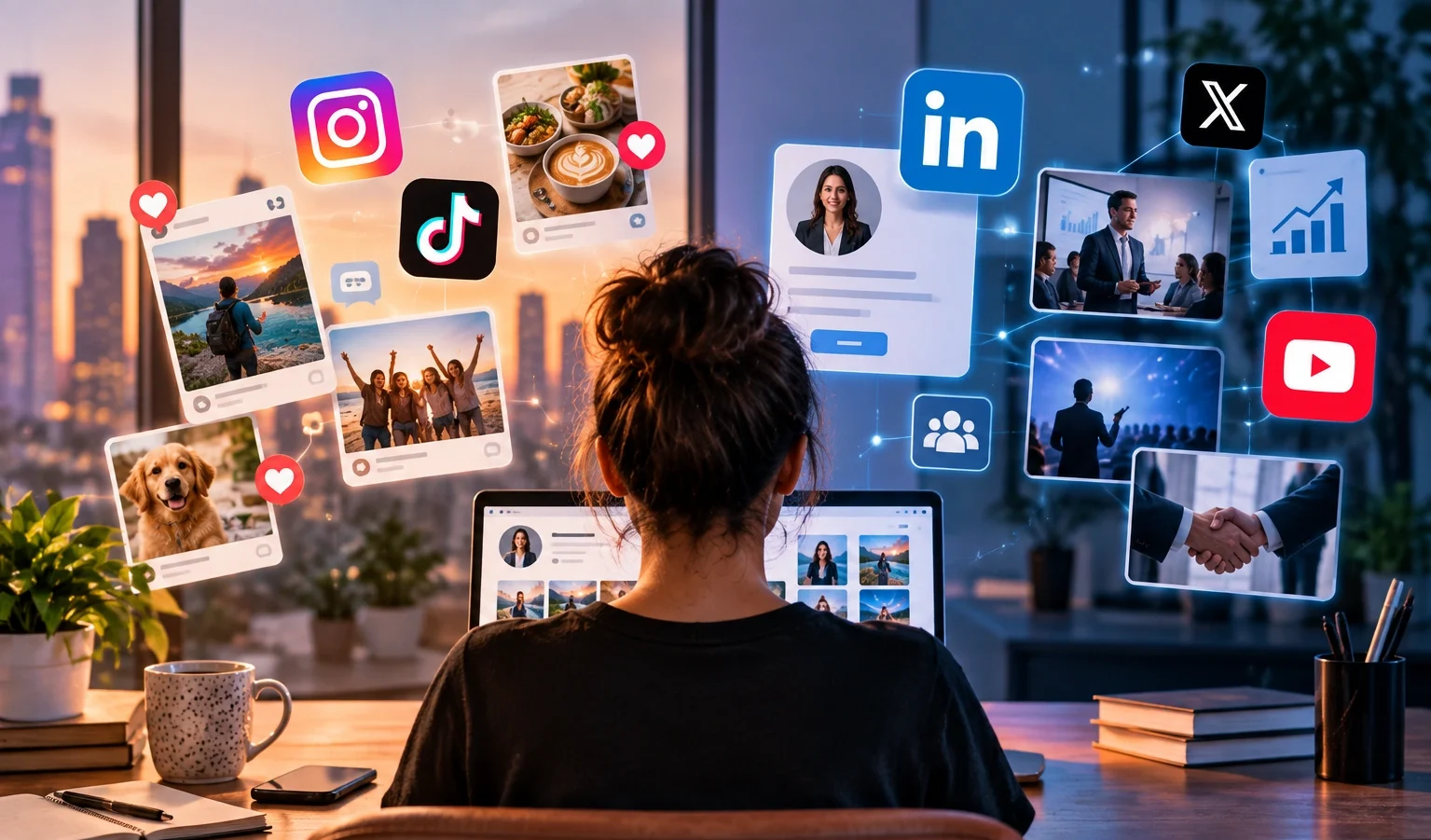

The Impact of Social Media on Personal and Professional Branding
In the digital age, social media has become an important space for presenting personal interests, professional expertise, creative work, and business activities. A social media profile can provide people with an opportunity to communicate what they do, what they know, and what they want others to associate with their name.
This is commonly described as personal or professional branding. Building a recognizable online presence does not necessarily require becoming an influencer. Students, professionals, entrepreneurs, freelancers, artists, and businesses can all use social media to communicate their identity and expertise.
What Is Personal Branding?
Personal branding refers to how an individual presents their skills, interests, experience, values, and professional identity to an audience.
For example, a graphic designer may share design projects, while a financial professional might publish educational content about personal finance. Over time, consistent communication can help audiences understand what that person specializes in.
A personal brand should ideally reflect genuine skills and interests rather than being based entirely on trends.
Professional Branding on Social Media
For professionals, social media can function as an extension of a résumé or professional portfolio. Profiles can highlight education, experience, achievements, projects, certifications, and areas of expertise.
Professionals can also use social platforms to discuss industry developments and share useful insights. This can help demonstrate knowledge beyond what is listed on a traditional résumé.
Building an Online Identity
A strong online identity usually begins with consistency. Using a clear name, professional profile information, relevant photographs, and a recognizable communication style can make it easier for people to understand who is behind an account.
Different platforms may serve different purposes. Someone might use one platform primarily for professional networking and another for creative or personal content.
Maintaining consistency does not mean posting exactly the same material everywhere. Instead, the overall identity should remain recognizable.
Content Can Demonstrate Expertise
One of the most useful aspects of social media for professional branding is the ability to publish original content.
Posts can include educational explanations, industry observations, project updates, case studies, videos, photographs, presentations, or practical tips.
For example, a web developer could share coding projects, while a photographer could showcase selected work. A business owner could explain how their services solve common customer problems.
Useful content can communicate expertise more effectively than simply stating that someone is knowledgeable.
Authenticity Matters
People can often distinguish between genuine communication and content that feels overly promotional. Personal branding works more effectively when the information shared reflects the person’s actual experience and interests.
Authenticity does not mean sharing every aspect of private life. It means presenting information accurately and maintaining a communication style that feels consistent with the individual’s professional identity.
Social Media and Networking
Social platforms can make professional networking easier. People can follow organizations, participate in industry discussions, connect with professionals, and discover opportunities.
Thoughtful engagement can be particularly valuable. Instead of only promoting one’s own work, users can contribute useful comments, answer questions, and participate in relevant conversations.
Networking should focus on building genuine professional relationships rather than collecting followers alone.
Reputation and Digital Footprint
Every public post contributes to a person’s digital footprint. Potential employers, clients, business partners, or professional contacts may encounter publicly available social media content when researching an individual or organization.
This makes it worthwhile to review older posts and privacy settings periodically. Content that is offensive, misleading, or inconsistent with someone’s professional identity can affect how others perceive the account.
At the same time, one should not assume that social media provides a complete picture of a person. Online profiles represent only selected aspects of an individual’s life and work.
Branding for Businesses
Social media is also an important branding channel for businesses. Companies can use it to communicate their products, services, values, customer experiences, announcements, and educational information.
Consistent visual presentation, messaging, and customer communication can help a business establish a recognizable identity.
Businesses can also use social platforms to respond to customer questions and understand common concerns. However, public customer interactions should be handled carefully and professionally.
Measuring Branding Efforts
Building a social media presence is not simply about counting followers. Other indicators can include meaningful engagement, website visits, inquiries, content shares, audience growth, and the quality of professional connections generated through social activity.
The most relevant metrics depend on the purpose of the account. A freelancer seeking clients may focus on inquiries and portfolio views, while an educational creator may pay more attention to engagement and content reach.
Avoiding Common Branding Mistakes
Posting inconsistently, copying content without adding value, exaggerating qualifications, and focusing entirely on self-promotion can weaken an online presence.
Another common mistake is trying to be active on every platform simultaneously. It may be more practical to focus on platforms where the intended audience is already active.
Users should also verify information before publishing it, particularly when discussing professional, financial, legal, scientific, or other specialized subjects.